
Academics
Learning that prepares you for life and work
Fortune University begins its first session with 27 undergraduate degree programmes in 5 faculties, taught in small classes by committed academics, in laboratories built for practice.
Our approach
A new university, built on proven standards
Every degree at Fortune University follows the Core Curriculum and Minimum Academic Standards (CCMAS) set by the National Universities Commission, the national benchmark for what a Nigerian graduate in each discipline must know and be able to do. On top of that core, each department adds courses that reflect the needs of Bauchi State and the North-East: dryland agriculture and food security, public and community health, digital services, small-business finance and the teaching of science in rural schools.
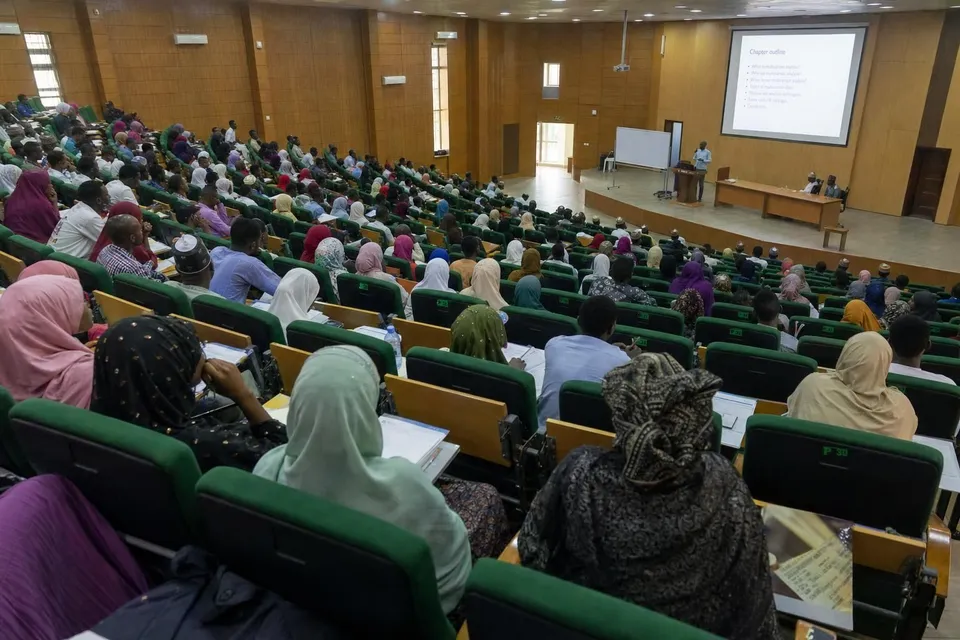
Because we are new, our classes are small. In the pioneer session most first-year courses will have fewer than sixty students, and practical classes fewer than twenty-five. Students will know their lecturers by name, and lecturers will know their students. Every student is assigned an academic adviser in their department, who approves course registration each semester and follows their progress through the programme.
Teaching combines lectures, tutorials, laboratory and studio practicals, fieldwork, case studies and group projects. Continuous assessment (tests, assignments, practical reports and presentations) carries up to 40% of the marks in most courses, so that steady work through the semester is rewarded and no grade depends on a single examination.
All programmes were presented to the National Universities Commission as part of the University's establishment and resource-verification process. Professional programmes will also be presented to their regulatory councils (for example the Nursing and Midwifery Council of Nigeria and the Medical Laboratory Science Council of Nigeria) for accreditation at the stage each council prescribes.
Five pioneer faculties
Where you will study
Each faculty is led by a Dean and organised in departments, with its own laboratories, studios and teaching spaces on the main campus at Magama.
 5 programmes
Faculty of Computing
Software, data and security: the disciplines behind every modern service, taught in well-equipped laboratories with industry projects from the first year.
Explore the faculty
 5 programmes
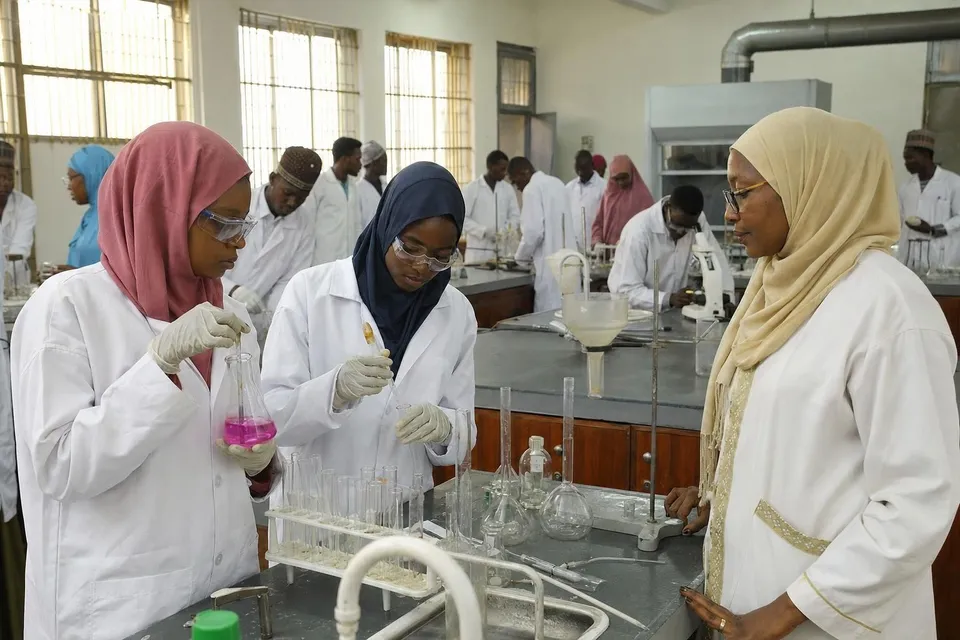
Faculty of Natural and Applied Sciences
Laboratory science with a purpose: biochemistry, microbiology, chemistry, physics and mathematics applied to the health, food and industry of the North-East.
Explore the faculty
 5 programmes
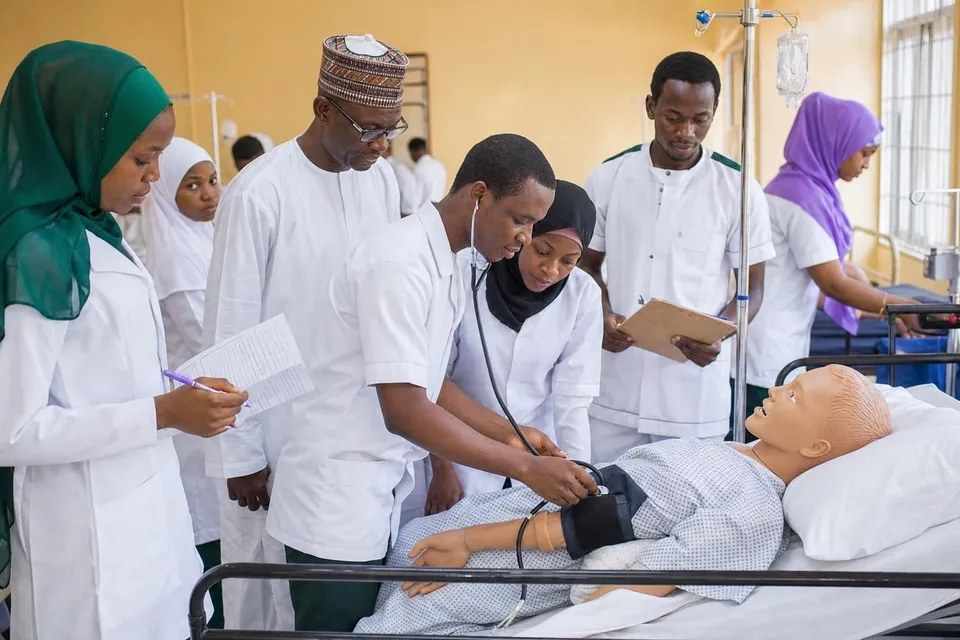
Faculty of Allied Health Sciences
Nursing, laboratory medicine, public health and nutrition, taught in simulation laboratories and partner hospitals to meet the region's urgent need for health workers.
Explore the faculty
 7 programmes
Faculty of Management and Social Sciences
Accounting, finance, business, economics, media and governance, with case teaching, professional certification and internships built into every programme.
Explore the faculty
 5 programmes
Faculty of Education
Science and mathematics teachers, and the school leaders who support them, trained through supervised teaching practice in schools across Bauchi State.
Explore the faculty
Popular choices
Programmes in demand
A selection of programmes attracting strong interest for the pioneer 2026/2027 session. Every programme page sets out entry requirements, courses, careers and fees.
Computer Science
Computing
Software Engineering
Computing
Cyber Security
Computing
Biochemistry
Natural & Applied Sciences
Microbiology
Natural & Applied Sciences
Nursing Science
Allied Health Sciences
Medical Laboratory Science
Allied Health Sciences
Public Health
Allied Health Sciences
Accounting
Management & Social Sciences
Mass Communication
Management & Social Sciences
Criminology and Security Studies
Management & Social Sciences
How you will learn
Teaching and learning at Fortune
Our graduates should be able to do the work, not only describe it. These commitments shape every programme.
Small classes, real mentoring
Class sizes are kept small in the early years. Every student has an academic adviser and termly progress meetings, and every lecturer keeps published office hours.
Practical from the first year
Laboratory, studio, clinical and field practicals start at 100 level, with logbooks reviewed by technologists and lecturers.
Digital learning
Course materials, assignments, quizzes and announcements are on the University's learning management system, available on campus Wi-Fi and from home.
Industrial training (SIWES)
Students in eligible programmes spend supervised time in industry, hospitals, schools, banks or media houses through the Students Industrial Work Experience Scheme.
Entrepreneurship for all
Every student takes entrepreneurship courses and a practical skills track at the Centre for Entrepreneurship, finishing with a venture plan.
Quality you can trust
A Directorate of Academic Planning and Quality Assurance reviews courses, moderates examinations and gathers student feedback every semester.
Learning by doing
Industrial training and fieldwork
Theory becomes competence through practice. Students in Computing, the Natural and Applied Sciences, and Management and Social Sciences complete the Students Industrial Work Experience Scheme (SIWES), normally in the second semester of 300 level and the long vacation that follows. Nursing Science and Medical Laboratory Science students complete supervised clinical postings in partner hospitals and laboratories, and Education students complete teaching practice in secondary schools.
The University's SIWES Unit identifies placements, briefs employers, visits students on site and grades their logbooks and reports. We work to place students close to home where possible, in Bauchi, Jos, Gombe and other cities of the region, as well as with national employers elsewhere in Nigeria.
- Placement support from the SIWES Unit and your department
- Supervision visits by lecturers during the attachment
- Assessed logbook, employer report and seminar presentation
- Field trips and site visits in every programme from 200 level

Digital campus
Learning that continues beyond the classroom
Every student receives a University email address and access to the student portal and the learning management system (LMS). Lecturers publish course outlines, notes, recorded explanations, reading lists and assignments there, and students submit coursework and take practice quizzes online.
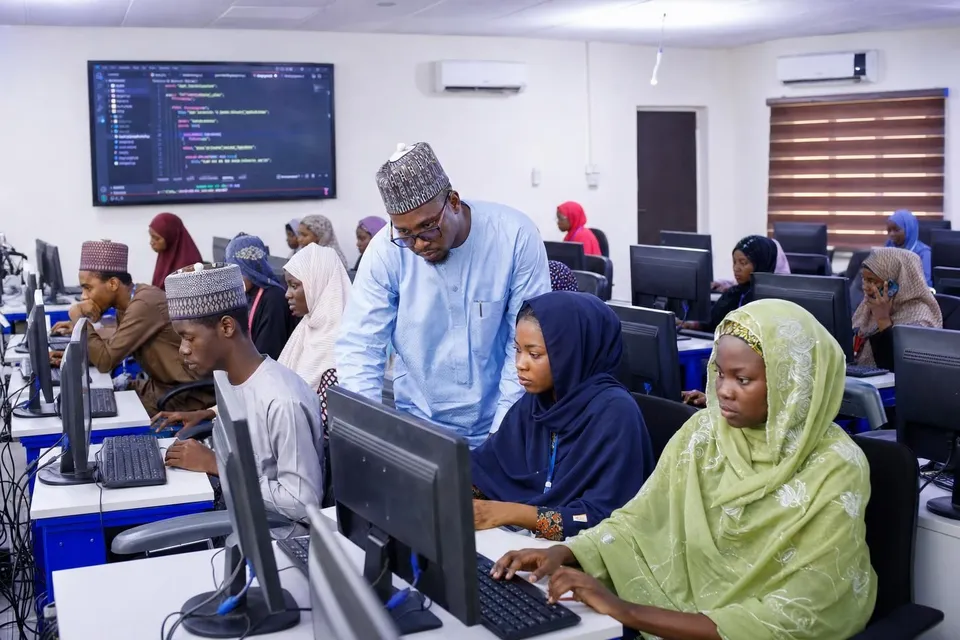
The ICT Centre provides a campus-wide wireless network, computer laboratories open into the evening, and training in digital skills for all new students during orientation week. Students are encouraged, but not required, to bring their own laptop.
- Campus Wi-Fi in lecture theatres, the library and halls of residence
- Course materials and assignments on the learning management system
- Online course registration, results and fee payment on the student portal
- Digital skills training for every new student
Quality assurance
How we protect the value of your degree
A new university must earn its reputation. These safeguards apply from the very first semester.
Moderated examinations
Question papers are reviewed by a departmental panel before use, and scripts are second-marked. Results are considered by the Faculty Board and approved by Senate.
External examiners
Senior academics from other Nigerian universities review question papers, marking and final-year projects, and report to the Senate each session.
Your voice counts
Students evaluate every course and lecturer anonymously each semester. Results are reviewed by the Directorate of Academic Planning and Quality Assurance and acted on.
Admissions 2026/2027
Find the programme that fits your future
Browse all 27 programmes, compare entry requirements and fees, and apply online for the pioneer session.